Book a free consultation
Talk through products, measurements and design details with a specialist.
Request a consultationUnderstand the difference between blinds and shades, including light control, privacy, softness, materials and best uses by room.
Understand the difference between blinds and shades, including light control, privacy, softness, materials and best uses by room.
People often use “blinds” and “shades” interchangeably, but they are not exactly the same. The difference matters because each category controls light and privacy in a different way.
Blinds are usually made from horizontal or vertical slats. You can tilt the slats to redirect light while still keeping some privacy. Wood blinds, faux wood blinds, Venetian blinds and vertical blinds are common examples.
Blinds tend to feel structured and architectural. They are a good match for kitchens, offices, living rooms and spaces where you want adjustable light throughout the day.
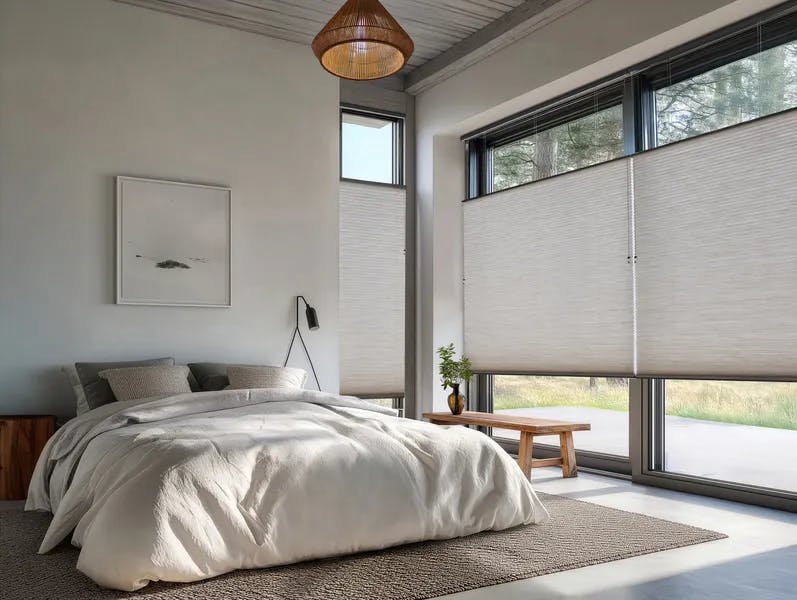
Shades are typically made from fabric or a soft continuous panel. Roller shades, cellular shades, zebra shades, Roman shades and solar shades fall into this category. Instead of tilting slats, most shades raise, lower or shift fabric layers.
Shades can feel softer and more finished. They are excellent for bedrooms, media rooms, large windows and spaces where fabric texture matters.
If you are unsure, compare both on your windows. Matching Blinds, Matching Shades and Matching Curtains can work together, especially when you want practical privacy plus a layered design.
Talk through products, measurements and design details with a specialist.
Request a consultation
Use our measuring page and printable PDF before ordering custom products.
Read the guide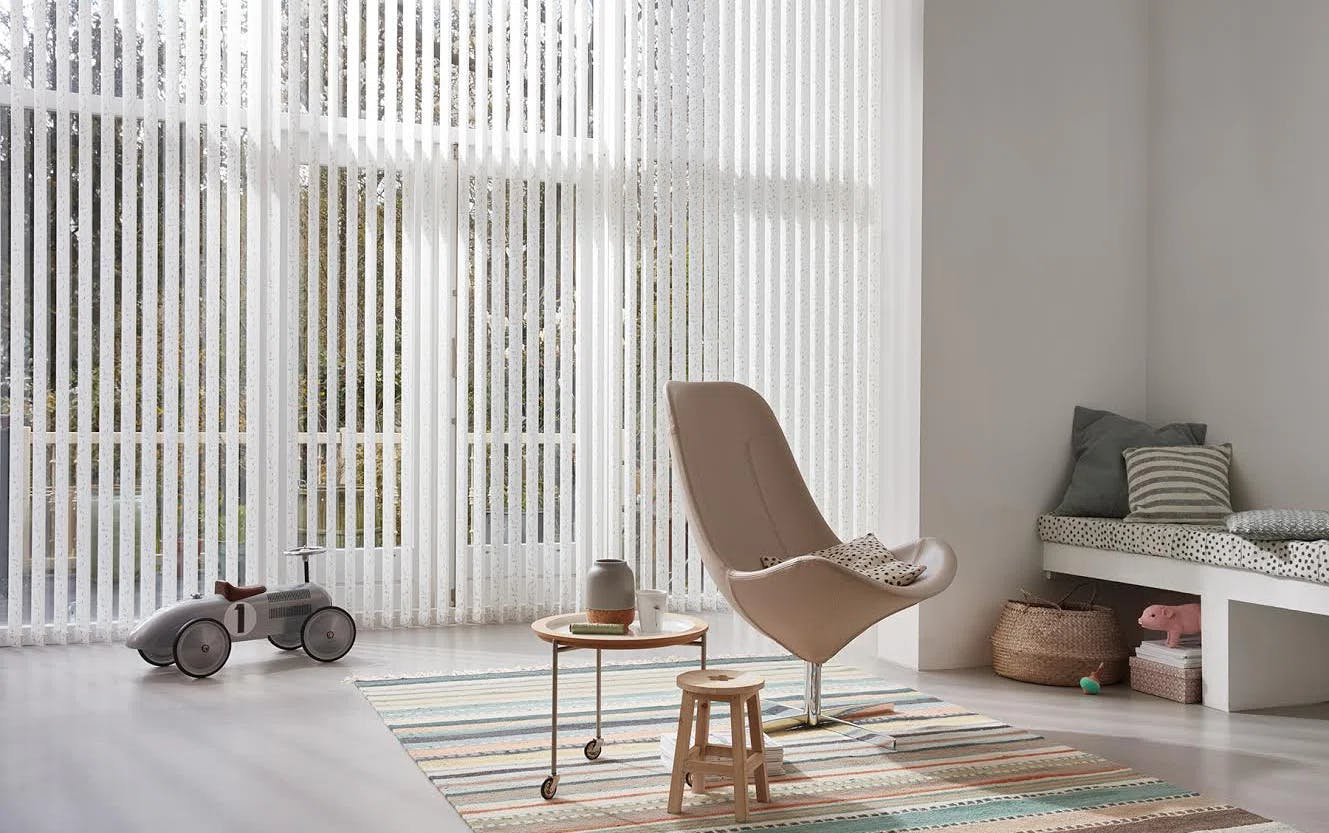
Browse blinds and shades by range, room, window type and feature.
View collectionsGoogle Preferred Source
Add us as a preferred source to see more of our measuring guides, design ideas and local window treatment updates in Google.